Small Group Training
Strength and Conditioning in Woodstock, GA: What Small Group Training Actually Looks Like
June 11, 2026 · Small Group Training · Hustle House Health & Wellness
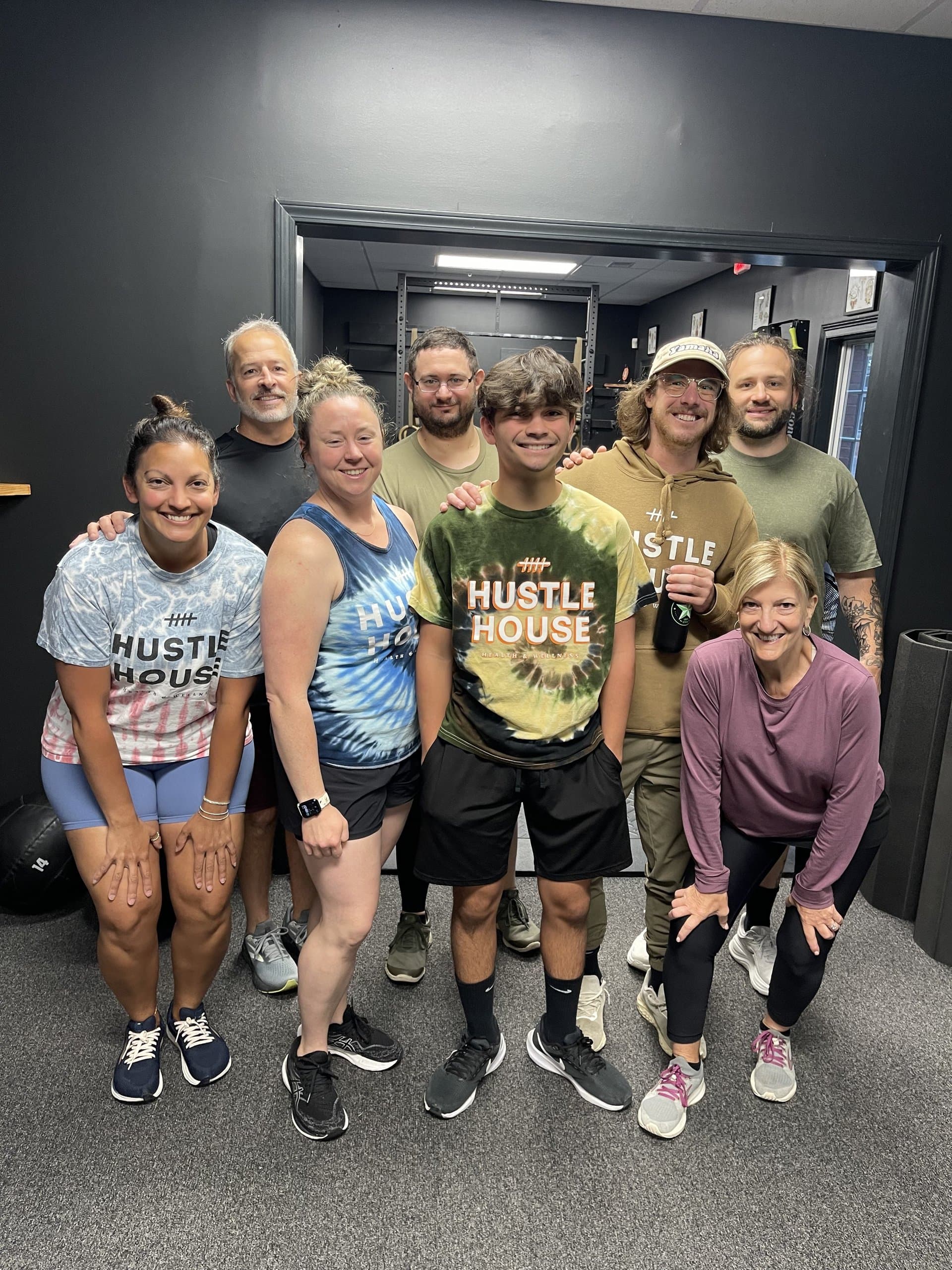
Search "strength and conditioning gym Woodstock GA" and you'll get everything from national chains to CrossFit boxes to studios that never actually describe what a session looks like. At Hustle House Health & Wellness, the answer is straightforward: six people, one coach, sixty minutes, and a plan built around the people in the room that day.
If you've never trained in a small group setting before, it helps to know what you're walking into. Here's what a real session looks like, from the first minute to the last, and who it's actually built for.
Small Group Means Six People, Not Sixty
Every small group training class at Hustle House is capped at six people. That number isn't a marketing line — it's the ceiling that makes the rest of the format possible. A coach can watch six people lift, hear six people breathe through a hard set, and adjust six people's loads in real time. Try to do that with twenty and something has to give, and it's usually the coaching.
That's the practical difference between small group training classes and a big-box gym class: the size of the room decides how much individual attention you actually get, not the size of the sign out front.
A Coach Who Watches You Lift, Not a Playlist That Tells You What to Do Next
Sessions run sixty minutes and are coached start to finish — not queued up on a screen and left to run themselves. That means your coach is watching your setup on a lift, checking your pace mid-interval, and swapping an exercise on the fly if something doesn't feel right in your shoulder that day. It also means the person coaching you knows your name, your history, and what you're working around.
The Work Itself: Strength and Conditioning, Together
Strength Work
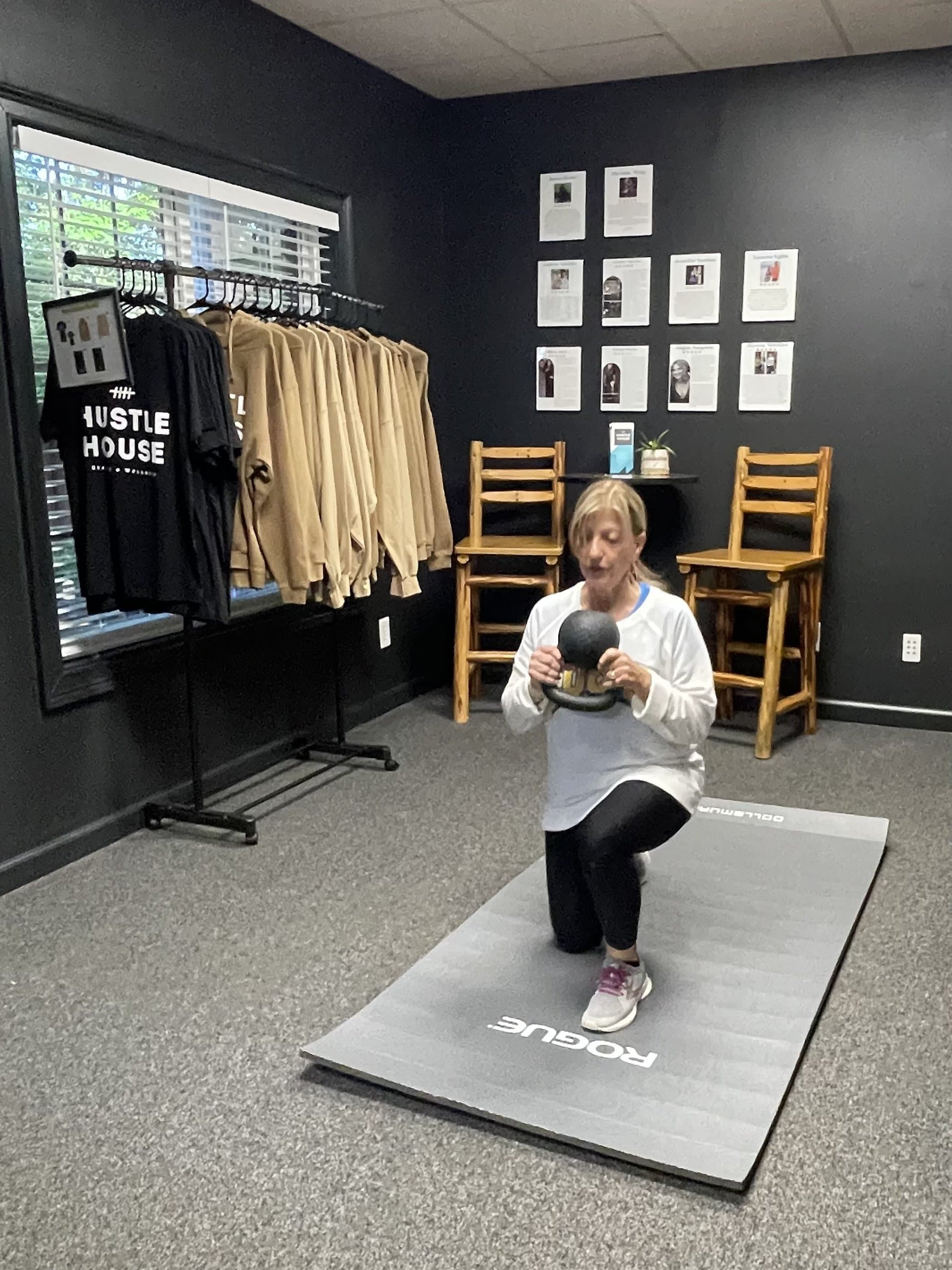
Strength sessions build around foundational movement patterns — squat, hinge, push, pull, carry — loaded to fit your experience level. A new member isn't handed the same loading as someone who has trained for years; the movement comes first, and the load only increases once the movement is solid.
Conditioning Work
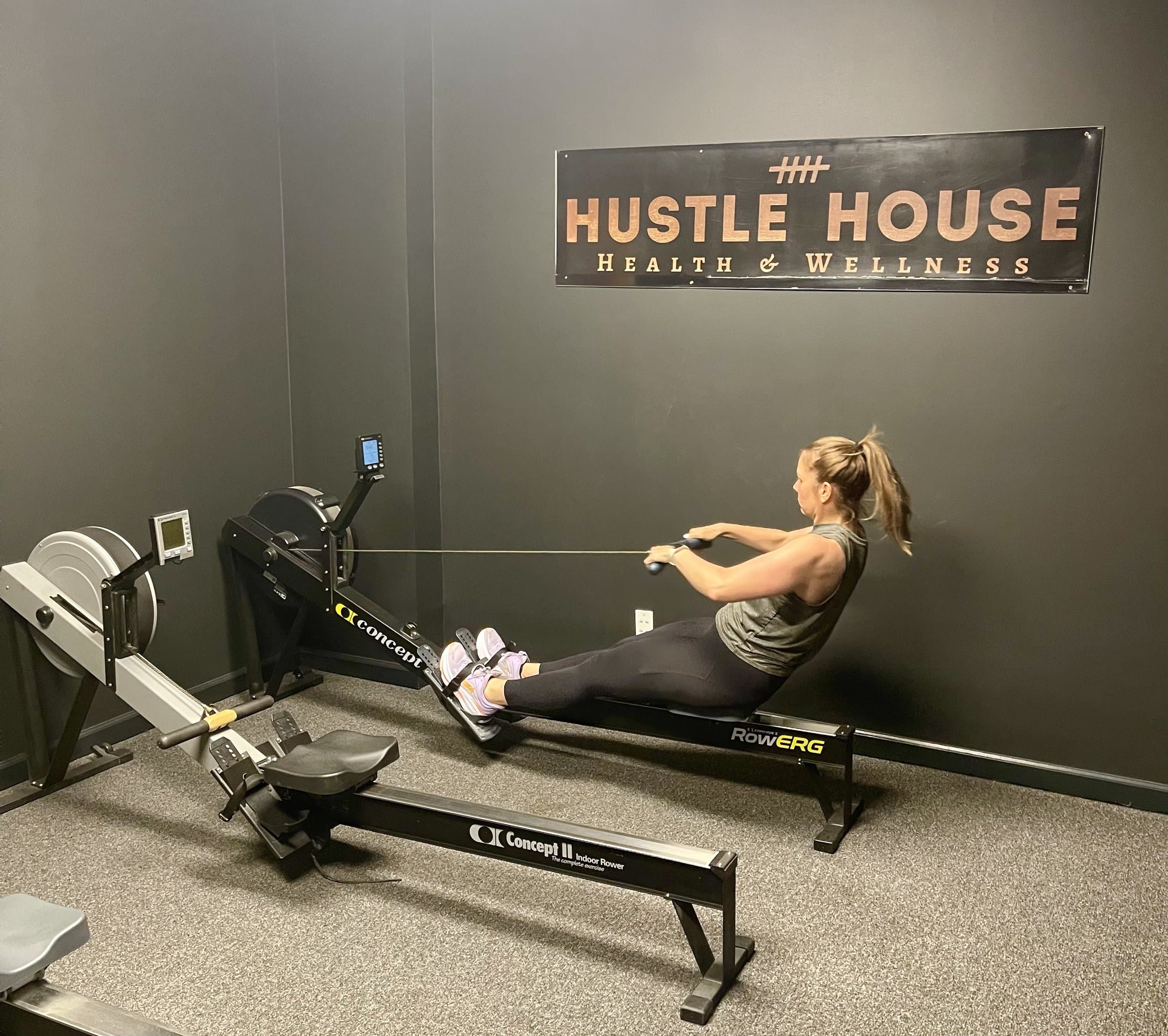
Conditioning days mix rowers, air bikes, sleds, and bodyweight work into intervals that raise your heart rate without wrecking your joints. The goal is capacity you can actually use outside the gym — carrying groceries in one trip, keeping up on a hike, playing with your kids on the floor — not a leaderboard time.
Both kinds of days get scaled to the person, not just the workout on the whiteboard. If a movement doesn't fit your body that day — a shoulder that's cranky, a knee that needs a different angle — your coach swaps it for something that trains the same pattern without the aggravation. That's the entire reason the class stays small: scaling six people in real time is realistic. Scaling twenty is not.
How a New Member Actually Gets Started
Every new member starts with a free movement assessment, not a treadmill and a waiver. A coach checks how you move, talks through what you're working with — old injuries, tight hips, a cranky lower back — and helps you pick a starting point that makes sense. From there, most members settle into small group sessions two, three, or more times a week, depending on which membership tier fits their schedule.
Classes run six days a week, with early morning, midday, and evening options — see the full class schedule for current times.
Who Small Group Training Is (and Is Not) Built For
You don't need a training background to start. Most people who walk through the door haven't lifted with a coach before, and the six-person cap exists precisely so a total beginner and someone who's trained for a decade can be in the same room without either one being underserved. If you want a class where nobody's watching your form and nobody's coaching you through a hard set, this isn't that. If you want both, it is.
Questions People Ask Before Their First Class
Do I need to be in shape before I start?
No. The free movement assessment sets your starting point wherever you actually are, not wherever you think you should be.
Will I be the only beginner in the room?
No — beginners and experienced lifters train in the same small groups. That's the entire point of capping the class size at six.
How long is a session, and how often should I come?
Every session is sixty minutes, coached the whole way through. How often you train depends on the membership tier you choose — Foundation, Momentum, or Pinnacle — built around two sessions a week, three sessions a week, or unlimited.
What if I have an old injury or a condition I have to work around?
Say so at your movement assessment. Coaching six people instead of twenty is exactly what lets a coach build around a cranky shoulder or a knee that doesn't love certain angles, rather than handing you the same program as everyone else in the room.
The easiest way to see what small group training actually looks like is to feel it for yourself. A free movement assessment is the first step, and it costs you nothing but an hour of your week.
MORE FROM THE BLOG
Related Articles
Functional Fitness After 40: Training for the Life You Actually Live
Functional fitness for adults in their 40s, 50s and 60s in Woodstock, GA — training that keeps you capable, mobile and independent.
Read the article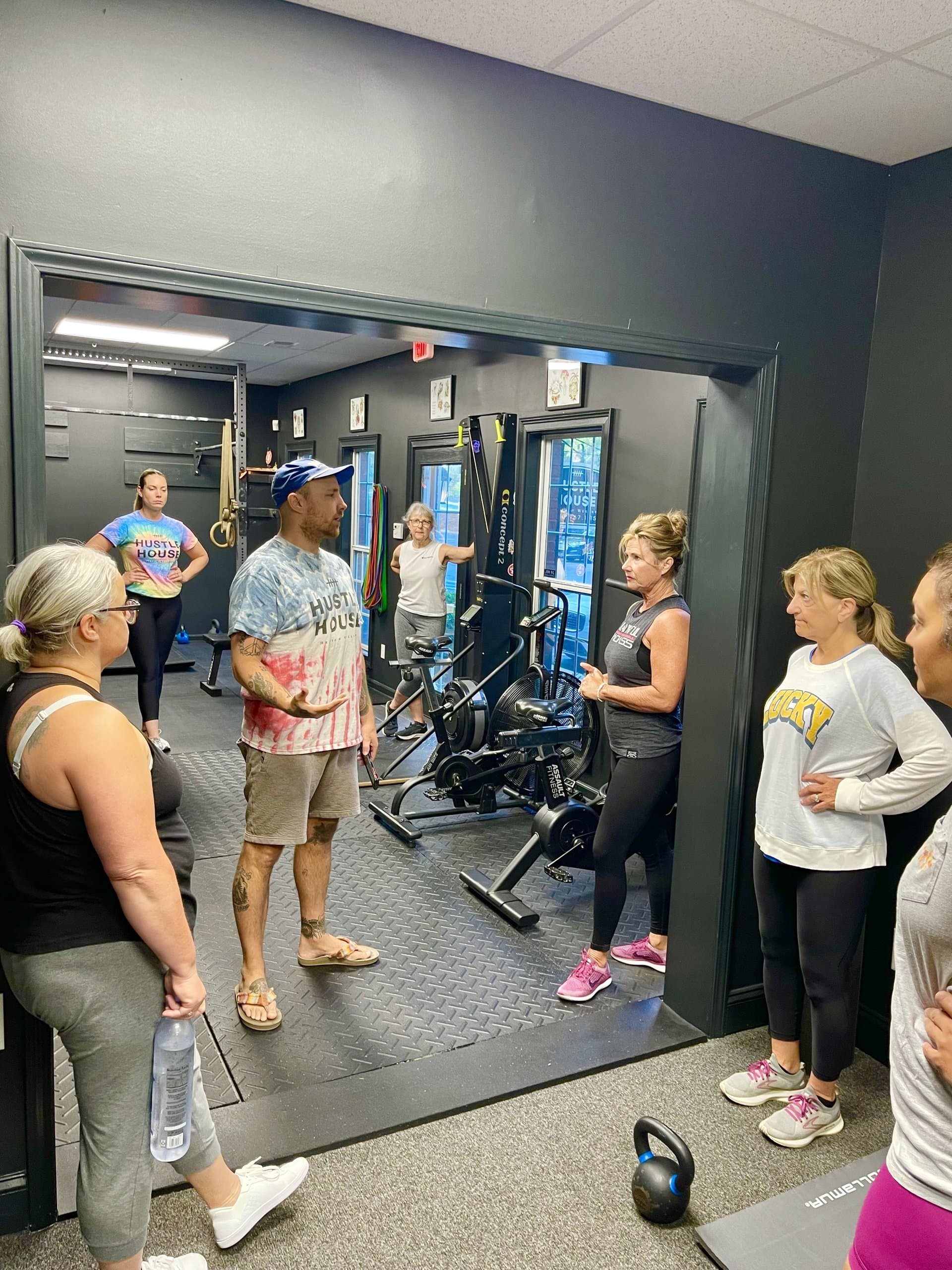
How to Choose a Small Group Training Gym in Woodstock, GA: 7 Questions to Ask
Seven questions worth asking before you join a small group training gym in Woodstock, GA, from coaches who answer them every week.
Read the article
The Significance of Tracking Protein Calories and Step Count in Achieving Fat Loss Goals
Why tracking protein, calories and daily steps matters for fat loss — from the coaches at Hustle House Health & Wellness in Woodstock, GA.
Read the articlePUT IT INTO PRACTICE
Train With a Coach Who Knows Your Name
Reading about it helps. Doing it with a coach helps more — start with a free movement assessment.